The Anti-Inflammatory Diet Guide for Adults Over 35
Reduce chronic inflammation with this practical diet guide for adults over 35. Learn which foods fight inflammation and which ones fuel it.
This content is for educational purposes only and is not medical advice. Consult a qualified health or fitness professional before starting a new exercise or nutrition program.
What Is Chronic Inflammation — and Why Does It Matter?
Inflammation is your immune system's natural response to injury or infection. Acute inflammation is healthy and necessary. The problem is chronic, low-grade inflammation — the kind that smolders in the background for years without causing obvious symptoms but slowly drives disease.
Chronic inflammation is now recognized as a contributing factor in heart disease, type 2 diabetes, arthritis, obesity, depression, and cognitive decline. After 35, managing inflammation becomes increasingly important as the body's natural anti-inflammatory systems become less efficient.
The Most Inflammatory Foods to Limit
You don't have to be perfect. But reducing your intake of these foods consistently makes a meaningful difference:
- Ultra-processed foods: Packaged snacks, fast food, processed meats with additives
- Refined sugars: Soda, candy, pastries, white bread in large quantities
- Refined seed oils: Canola, soybean, corn, and sunflower oils in large amounts (found in most processed foods)
- Excessive alcohol: More than 1–2 drinks per day consistently drives inflammatory markers
- Trans fats: Partially hydrogenated oils in some packaged goods
The Most Powerful Anti-Inflammatory Foods
Fatty Fish
Salmon, sardines, mackerel, and herring are loaded with omega-3 fatty acids (EPA and DHA) — arguably the most potent anti-inflammatory nutrients available. Aim for 2–3 servings per week.
Colorful Vegetables
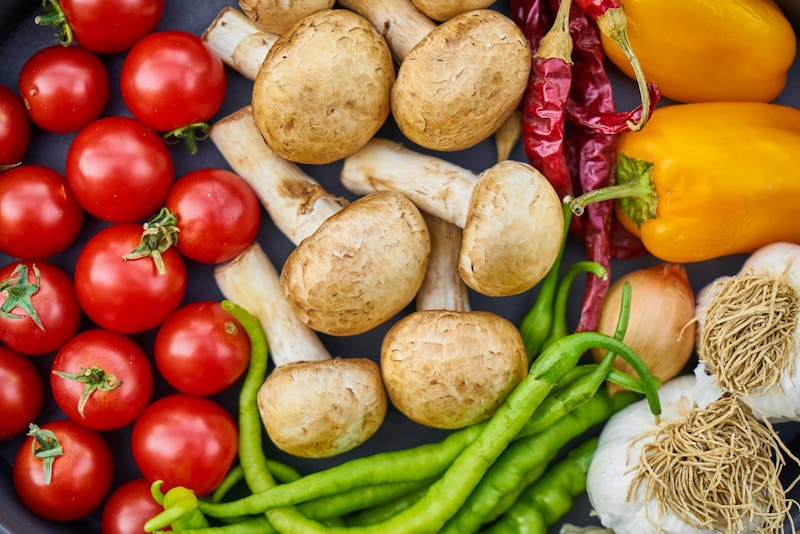
The pigments that give vegetables their colors are polyphenols — powerful antioxidants and anti-inflammatory compounds. Dark leafy greens (spinach, kale), red and orange vegetables (peppers, tomatoes, carrots), and cruciferous vegetables (broccoli, cauliflower) are all excellent choices.
Berries
Blueberries, strawberries, raspberries, and blackberries are exceptionally high in anthocyanins — polyphenols with strong anti-inflammatory and brain-protective properties. Studies show consistent berry consumption reduces CRP (a key marker of inflammation).
Extra Virgin Olive Oil
Contains oleocanthal, a natural compound that works similarly to ibuprofen in inhibiting inflammation-driving enzymes. Use it liberally as your primary fat source.
Coach Luc Tip
"You don't need to eat a perfect diet to reduce inflammation — you need to eat a consistently better diet. Focus on adding more anti-inflammatory foods rather than obsessing over eliminating everything 'bad.'"
— Coach Luc
The Mediterranean Diet: The Gold Standard for Inflammation
The Mediterranean diet consistently ranks as the most evidence-backed anti-inflammatory eating pattern. Its core principles:
- Abundant vegetables, fruits, legumes, and whole grains
- Extra virgin olive oil as the primary fat source
- Fish 2–3 times per week
- Moderate amounts of poultry, eggs, and dairy
- Minimal red meat and processed foods
This isn't a restrictive diet — it's a satisfying, flavorful way of eating that happens to be profoundly anti-inflammatory.
Protein and Inflammation After 35
Adequate protein intake is important not just for muscle maintenance, but for immune function and anti-inflammatory regulation. After 35, the body becomes less efficient at using dietary protein, meaning you need somewhat more than younger adults. Use our Protein Calculator to find your optimal daily target.
Practical Steps to Start This Week
- Add one serving of fatty fish to your week
- Replace one ultra-processed snack with berries or nuts
- Switch to extra virgin olive oil for cooking
- Add one additional serving of vegetables to each dinner
- Reduce sugar-sweetened beverages to one or zero per day
Small, consistent changes accumulate. You don't need to overhaul everything at once. Take our Free Fitness Assessment to get nutrition recommendations tailored to your specific goals.
You May Also Like
Written by
Coach Luc
Coach Luc is a certified fitness and wellness coach specializing in helping adults 35+ lose weight, improve mobility, and build lasting strength. With over a decade of experience, Coach Luc combines evidence-based training with practical, sustainable lifestyle strategies.
Learn more about Coach Luc